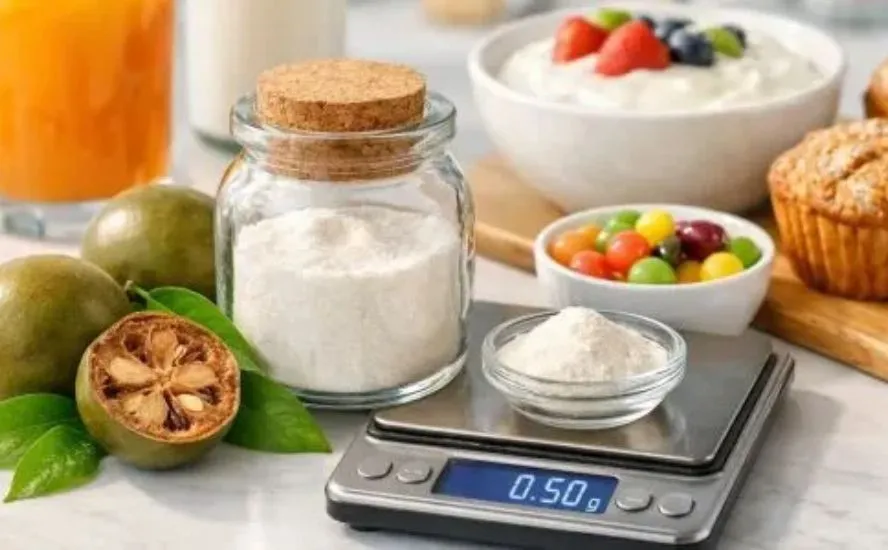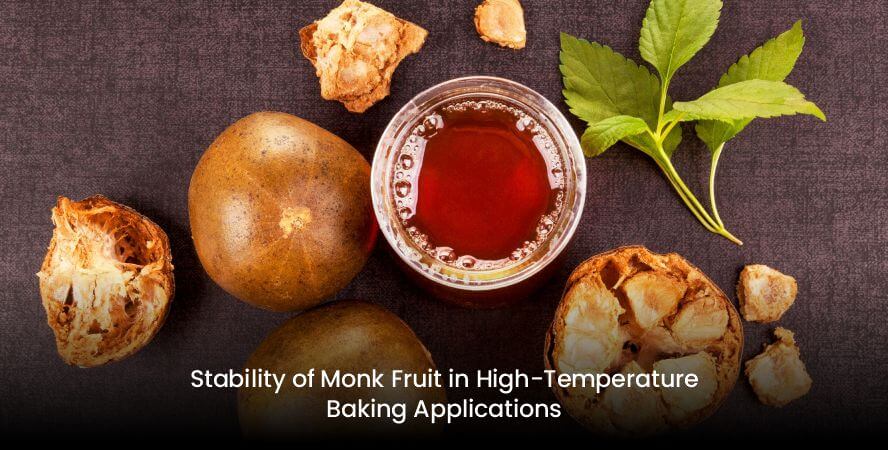
Baking is one of those simple pleasures that brings people together, whether it’s whipping up a batch of muffins for breakfast or crafting a cake for a special occasion. But if you’re watching your sugar intake or dealing with health concerns like diabetes, finding a reliable sweetener that holds up under heat can feel like a challenge. That’s where monk fruit comes in. This natural option has gained popularity for its clean taste and zero calories, but how well does it really perform when the oven gets hot? In this article, we’ll look at the stability of monk fruit in high-temperature baking applications, backed by insights from food science and practical experience. You’ll get a clear picture of why it’s a smart choice for bakers in India and beyond, along with tips to make your recipes shine.
What is Monk Fruit Extract?
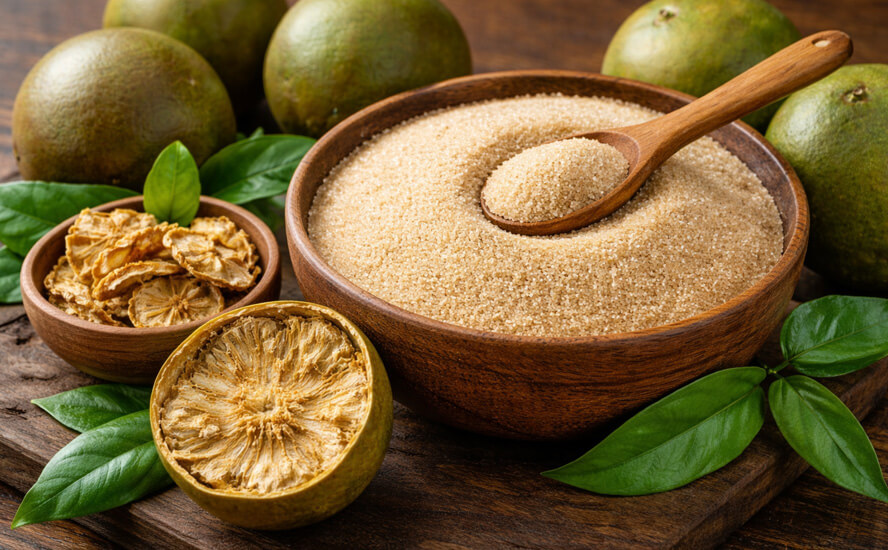
Monk fruit, also known as luo han guo, comes from a small green melon grown mainly in southern China. The extract is made by crushing the fruit and pulling out the sweet compounds called mogrosides. These give monk fruit its intense sweetness, up to 200 times sweeter than sugar, without any calories or impact on blood sugar levels.
In India, where people are increasingly turning to natural alternatives to refined sugar, monk fruit extract stands out for its purity and versatility. It’s often blended with ingredients like erythritol to make it easier to measure and use in everyday cooking. Unlike artificial sweeteners, it doesn’t leave a bitter aftertaste, making it a favorite for those who want something that tastes close to the real thing. Food experts in the industry note that high-quality monk fruit extract, like what’s available from Monk Nectar, ensures consistent results in recipes.
The Science Behind Monk Fruit’s Heat Stability
When you bake at high temperatures, say 180°C or more, many sweeteners break down, losing their sweetness or creating off-flavors. Monk fruit extract, however, holds its own thanks to the robust structure of mogrosides. Studies show that these compounds remain stable up to around 170°C, with minimal degradation even after prolonged exposure to heat.
In thermal analysis, monk fruit extract shows little mass loss during baking simulations, often less than 10% over time. This means the sweetness doesn’t fade away in the oven, unlike options like aspartame that crumble under similar conditions. Researchers have tested it in various pH levels too, from acidic batters to neutral doughs, and it performs reliably across the board. For bakers, this stability translates to consistent flavor in everything from cookies to breads, without worrying about chemical changes that could ruin the batch.
Comparing Monk Fruit to Other Sweeteners in Baking
Not all sweeteners are created equal when it comes to heat. Take stevia, for example—it’s natural and low-calorie, but some forms can develop a slight bitterness at high temperatures. Sugar alcohols like xylitol are more stable, but they might cause digestive issues for some people. Traditional sugar, of course, caramelizes beautifully but packs in the calories.
Monk fruit extract edges out many competitors because it maintains sweetness without altering texture much. In side-by-side tests, baked goods with monk fruit keep their moisture and rise better than those with unstable artificial sweeteners. Erythritol-based blends, common in monk fruit products, add bulk similar to sugar, helping with browning and crumb structure. For Indian bakers dealing with humid climates, this reliability is key, as it prevents sogginess or uneven results that humid weather can cause.
Benefits of Using Monk Fruit Extract in High-Temperature Baking
Switching to monk fruit extract in your baking routine offers more than just heat stability. First off, it’s a natural way to cut calories without sacrificing taste, which is great for health-conscious families. Since it doesn’t spike blood sugar, it’s ideal for people managing diabetes or following low-carb diets.
From a food industry perspective, monk fruit helps extend shelf life in baked products because its stability reduces the need for extra preservatives. In high-temperature applications, it supports clean-label trends—no artificial additives required. Plus, for commercial bakers in India, using monk fruit extract can appeal to consumers looking for plant-based options that align with traditional wellness practices. Monk Nectar, as the best supplier of monk fruit extract in India, provides high-purity versions that enhance these benefits, ensuring your bakes are both delicious and nutritious.
Practical Tips for Baking with Monk Fruit
Getting started with monk fruit in baking is straightforward, but a few pointers can make a big difference. Start by replacing sugar at a ratio of about 1:1 with a blended monk fruit product, but adjust based on the recipe—pure extract is much sweeter, so you might need less.
Preheat your oven properly to ensure even heat distribution, as monk fruit works best in stable conditions. Mix it into dry ingredients first to avoid clumping, especially in humid Indian kitchens. For cakes and muffins, add a bit more liquid or fat to compensate for the lack of sugar’s moisture-retaining properties. Test small batches to fine-tune sweetness, and remember that monk fruit doesn’t caramelize like sugar, so for browning, rely on eggs or milk washes.
If you’re baking bread, monk fruit extract can help maintain softness without yeast interference. Always store your monk fruit in a cool, dry place to preserve its potency before use.
Potential Challenges and How to Overcome Them
While monk fruit is heat-stable, it’s not without hurdles. One common issue is texture changes—baked goods might turn out denser because monk fruit doesn’t provide the same bulk as sugar. To fix this, incorporate bulking agents like almond flour or oat fiber.
Another challenge is availability and cost in some parts of India, but sourcing from reliable suppliers like Monk Nectar solves that. They offer premium monk fruit extract tailored for baking needs. If you notice a slight cooling sensation from erythritol blends, pair it with warm spices like cinnamon to balance it out.
In high-altitude areas, adjust baking times slightly, as monk fruit’s stability means it won’t break down faster in thinner air. Overall, with experimentation, these issues become minor, leading to better results over time.
Delicious Recipes Using Monk Fruit in Baking
To put theory into practice, try these simple recipes that highlight monk fruit’s stability.
Monk Fruit Chocolate Chip Cookies
Ingredients: 2 cups almond flour, 1/2 cup monk fruit extract blend, 1/2 cup butter, 1 egg, 1 tsp vanilla, 1/2 cup chocolate chips, 1/2 tsp baking soda.
Mix dry ingredients, including the monk fruit, then add the wet ingredients. Bake at 180°C for 10-12 minutes. The heat won’t diminish the sweetness, resulting in chewy, guilt-free cookies.
Spiced Monk Fruit Banana Bread
Ingredients: 3 ripe bananas, 1/3 cup monk fruit extract, 1/2 cup oil, 2 eggs, 1.5 cups whole wheat flour, 1 tsp cinnamon, 1 tsp baking powder.
Mash bananas, mix with monk fruit and wet ingredients, and fold in dry. Bake at 175°C for 45-50 minutes. The loaf stays moist and sweet, perfect for tea time.
These recipes show how monk fruit extract shines in everyday baking, offering flavors that hold up beautifully.
Conclusion
Monk fruit’s stability in high-temperature baking makes it a game-changer for anyone seeking healthier alternatives without compromising on taste or quality. From its scientific resilience to practical benefits, it’s clear why this natural sweetener is rising in popularity. Whether you’re a home baker or running a small business in India, incorporating monk fruit extract can transform your creations.
Ready to try it? Head over to Monk Nectar’s to get the best monk fruit extract available in India. Stock up today and start baking smarter; your taste buds and health will thank you.