As demand for natural, zero-calorie sweeteners continues to rise, monk fruit has moved from a niche ingredient to a mainstream choice for food, beverage, and wellness brands. Consumers want clean labels, stable taste, and reliable availability. Brands want predictable costs, consistent sweetness levels, and confidence that supply will not break during peak seasons.
This is where supply chain advantage becomes a deciding factor.
Monk fruit procurement is not just about buying fruit or extract. It is about managing quality from farm to finished product, securing enough volume to meet growth plans, and protecting the brand from shortages or inconsistency. This article explains how a strong supply chain ensures consistent quality and volume in monk fruit procurement, why it matters for commercial buyers, and how experienced suppliers like Monk Nectar build reliability into every step.
Understanding Monk Fruit Procurement Challenges
1. Limited Growing Regions and Seasonality
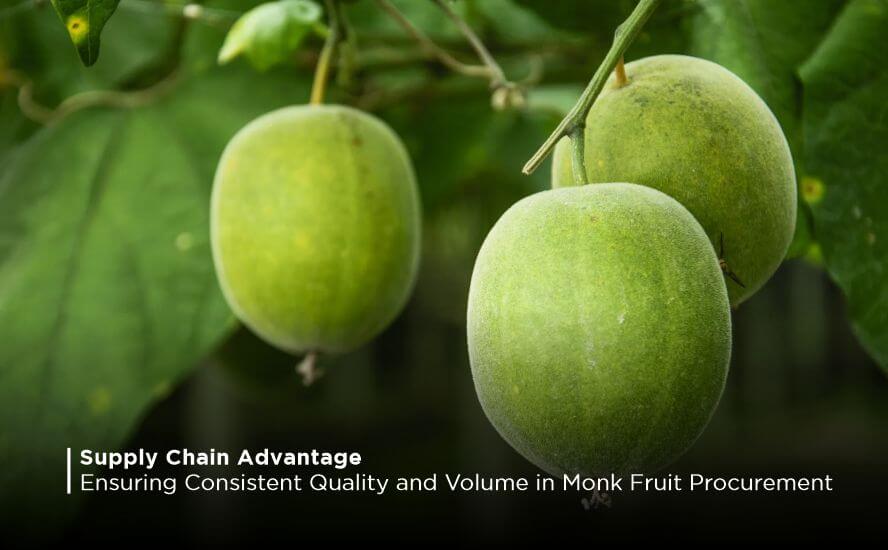
Monk fruit is grown primarily in specific regions of southern China, where climate, altitude, and farming knowledge support proper cultivation. This limited geography creates natural supply constraints.
Harvests occur once a year, which means suppliers must plan months ahead. Poor weather, disease, or labor shortages during harvest can affect both quality and yield. Without long-term grower relationships, buyers risk inconsistent supply.
2. Variability in Sweetness and Purity
Not all monk fruit is equal. The sweetness comes from mogrosides, especially Mogroside V. The concentration of these compounds can vary based on:
- Fruit maturity at harvest
- Soil quality and farming practices
- Drying and extraction methods
For manufacturers, this variability can lead to formulation issues, flavor inconsistency, and rework costs.
3. Traceability and Compliance Pressures
Global buyers increasingly require:
- Full traceability to farm level
- Food safety certifications
- Compliance with export regulations and clean-label standards
Suppliers without structured procurement systems struggle to meet these expectations consistently.
Building Quality at the Source: Farm-Level Control
1) Partnering Directly With Growers
The strongest monk fruit supply chains begin at the farm. Reliable suppliers work directly with contracted growers rather than relying on open-market sourcing.
Direct partnerships allow control over:
- Seed selection and planting schedules
- Farming practices and input use
- Harvest timing to optimize mogroside levels
This approach ensures uniform fruit quality year after year.
2) Training and Agronomic Support
Experienced suppliers invest in grower education. They provide guidance on pruning, pest control, and sustainable practices that improve both yield and sweetness concentration.
For example, when farmers understand how harvest timing affects mogroside content, they can align picking schedules with quality targets instead of focusing only on volume.
3) Sustainability as a Quality Driver
Sustainable farming is not just a marketing point. Healthy soil, responsible water use, and balanced ecosystems directly impact fruit quality. Long-term supply stability depends on keeping farms productive for decades, not just one season.
Processing and Extraction: Where Consistency Is Won or Lost
a) Controlled Drying and Storage
After harvest, monk fruit must be dried carefully to preserve the sweetness compounds. Inconsistent drying can degrade mogrosides or introduce off-notes.
A strong supply chain includes:
- Standardized drying protocols
- Climate-controlled storage facilities
- Batch segregation to maintain traceability
This prevents quality drift before extraction even begins.
b) Advanced Extraction Methods
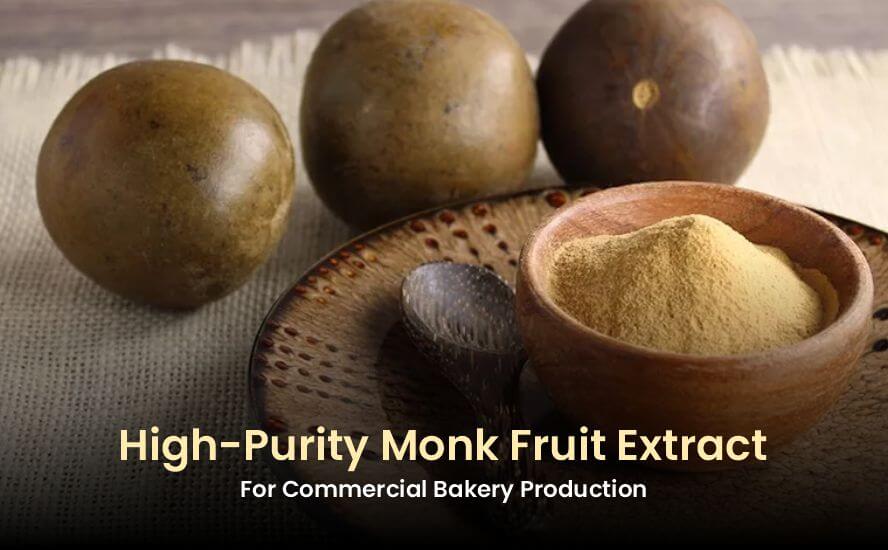
Monk fruit extract quality depends heavily on how the sweetness compounds are separated and concentrated. Commercial buyers typically look for high-purity extracts with predictable sweetness intensity.
Well-managed processors use:
- Food-grade water extraction
- Filtration and concentration systems
- Strict quality testing at each stage
This results in monk fruit extract with consistent flavor, sweetness, and solubility.
c) Batch-to-Batch Testing
Reputable suppliers test every batch for:
- Mogroside content
- Microbial safety
- Heavy metals and contaminants
These checks protect manufacturers from formulation surprises and regulatory risks.
Securing Volume Through Smart Supply Planning
1. Forecasting Demand Accurately
One of the biggest risks in monk fruit procurement is underestimating demand. As brands scale, sudden spikes in volume can strain supply.
Strong suppliers work with clients to:
- Understand growth forecasts
- Plan production cycles accordingly
- Allocate raw materials well in advance
This proactive approach prevents last-minute shortages.
2. Buffer Inventory and Multi-Year Contracts
Maintaining buffer inventory is essential in a seasonal crop like monk fruit. Reliable suppliers build safety stock into their planning, ensuring availability even when harvest volumes fluctuate.
Multi-year grower contracts also stabilize supply by giving farmers confidence to invest in their fields and increase production capacity.
3. Diversifying Processing Capacity
Depending on a single processing facility creates risk. Leading suppliers invest in multiple processing lines or partner facilities to maintain output even during maintenance or unexpected disruptions.
This redundancy is a quiet but powerful supply chain advantage.
Quality Assurance and Certifications That Build Trust
1) Meeting Global Food Standards
Commercial buyers expect monk fruit extract suppliers to comply with international standards, such as:
- GMP
- HACCP
- ISO certifications
These frameworks ensure consistent processes and documented controls across the supply chain.
2) Traceability From Farm to Shipment
Traceability is no longer optional. Buyers want to know exactly where ingredients come from and how they were handled.
A structured supply chain tracks:
- Farm origin and harvest date
- Processing batch numbers
- Storage and shipment conditions
This transparency protects brands during audits and regulatory reviews.
3) Consistent Documentation for Buyers
Well-organized suppliers provide complete documentation with every shipment, reducing delays and compliance headaches for customers.
Commercial Value of a Reliable Monk Fruit Supply Chain
1. Reduced Production Risk
Inconsistent sweetness can lead to reformulation, taste complaints, or even product recalls. A stable supply chain minimizes these risks by delivering predictable quality.
2. Cost Stability Over Time
While monk fruit pricing can fluctuate, long-term procurement strategies help smooth costs. Secure grower contracts and planned inventory reduce exposure to market spikes.
3. Faster Time to Market
When supply is reliable, product development moves faster. Brands can launch new SKUs or expand distribution without worrying about ingredient shortages.
4. Stronger Brand Reputation
Consumers trust brands that deliver consistent taste and quality. Behind that trust is a dependable ingredient supply chain.
Why Monk Nectar Stands Out as a Trusted Supplier
Monk Nectar has built its reputation by focusing on supply chain fundamentals rather than shortcuts. As a real monk fruit extract supplier, the company emphasizes:
- Direct grower partnerships
- Controlled processing and extraction
- Rigorous quality testing
- Volume planning aligned with customer needs
By managing monk fruit procurement from source to shipment, Monk Nectar ensures both consistent quality and reliable volume for commercial buyers across food, beverage, and wellness sectors.
This end-to-end control allows clients to scale with confidence, knowing their supply will support long-term growth.
Conclusion:
Monk fruit procurement is not a simple transaction. It is a strategic decision that affects product quality, cost stability, and brand trust. Companies that treat the supply chain as an afterthought often face inconsistency, delays, and lost opportunities.
Those that partner with suppliers who understand farming, processing, quality control, and volume planning gain a real competitive edge.
For brands seeking dependable monk fruit extract with consistent sweetness and reliable availability, working with an experienced supplier makes all the difference. Monk Nectar continues to support growing businesses by delivering supply chain confidence along with high-quality monk fruit solutions.
Now is the time for manufacturers and formulators to evaluate their monk fruit procurement strategy and choose partners who can support both today’s needs and tomorrow’s growth.