As people around the world become more aware of their food, natural sweeteners are becoming a larger part of everyday diets. Monk fruit extract stands out because, while it’s sweet, it doesn’t have the calories or blood sugar spikes of regular sugar. If you’re wondering where this ingredient will be heading this year, you’ve come to the right place.
This article outlines the global production outlook for monk fruit extract to 2026, including trends, challenges, and opportunities. We’ll examine what’s driving growth and how this impacts businesses and consumers, particularly in India.
What Is Monk Fruit Extract and Why Is It Gaining Traction?
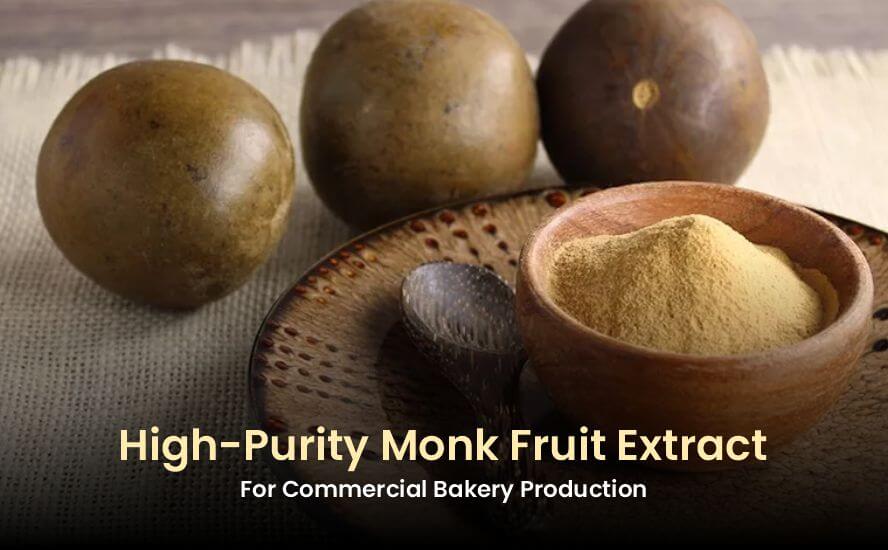
Monk fruit extract comes from a small green fruit grown mostly in southern China. The extract is made by crushing the fruit and pulling out the sweet compounds called mogrosides. These give it a sweetness up to 300 times stronger than sugar, but with zero calories. That’s why it’s a favorite for people watching their weight or managing diabetes.
In the food industry, monk fruit extract shows up in drinks, baked goods, and even dairy products. Its clean taste without any bitter aftertaste makes it better than some other natural options. Demand is rising because more folks want products with simple, natural ingredients. For example, in beverages alone, it’s helping companies cut down on added sugars while keeping things tasty.
If you’re thinking about adding it to your routine, it’s worth noting how versatile it is. You can use it in cooking or just as a tabletop sweetener. And for those in India looking to buy monk fruit extract, it’s becoming easier to find high-quality options.
Current Global Production Levels of Monk Fruit Extract
Right now, global production of monk fruit extract is around 2,000 to 3,000 metric tons per year. This comes from about 10,000 metric tons of raw monk fruit. That’s not huge compared to other sweeteners, but it’s growing steadily. The market value of monk fruit sweeteners, including the extract, was about USD 416 million in 2025. Experts expect it to climb to around USD 449 million this year.
Production is ramping up thanks to better farming techniques and more farmers getting involved. In places like Guilin in China, where most of it comes from, incomes from growing monk fruit have jumped over the years. Between 2016 and 2021, average earnings per plot rose from about USD 682 to USD 1,228. This has encouraged more cultivation, helping meet the rising demand.
For context, the extract powder segment alone was worth USD 276 million in 2024 and could hit USD 1,392 million by 2031 if growth continues at 26.4% annually. But for 2026, we’re looking at moderate increases as supply chains stabilize.
Key Producing Regions and Their Role in Global Supply
China dominates the scene, handling over 90% of the world’s monk fruit production. The hilly regions in Guangxi province are perfect for the vines, and local farmers have honed their skills over generations. The annual output there is about 9,000 to 10,000 metric tons of raw fruit.
Other parts of Asia, like Thailand and Vietnam, are starting to experiment with cultivation, but they’re small players so far. In North America and Europe, there’s no major production because the climate doesn’t suit it. Instead, they rely on imports from Asia.
In India, we don’t grow much monk fruit yet, but interest is picking up. With our diverse climates, there could be potential in the future. For now, suppliers like Monk Nectar import and process high-quality extract to meet local needs. If you’re in India and want to buy monk fruit extract, Monk Nectar stands out as the best supplier, offering pure products tailored for our market.
Projected Growth and Trends for 2026
Looking ahead to the rest of 2026, production should see moderate growth. Market forecasts point to a compound annual growth rate of around 7.8% for monk fruit sweeteners overall. This means more extract available as farmers expand their fields and extraction tech improves.
One trend is the push for organic and conventional varieties. Organic monk fruit extract is gaining ground because consumers want chemical-free options. By 2026, we might see production volumes increase by 5-10% if harvest conditions are good.
Health trends are fueling this. With more people avoiding artificial sweeteners, monk fruit fits right in. In food applications, like bakery and beverages, it’s expected to grow fastest. For businesses, this means opportunities to innovate products that appeal to health-conscious buyers.
Challenges in Monk Fruit Extract Production
Despite the positives, there are hurdles. Production is seasonal, tied to China’s harvest window from September to November. This can lead to supply shortages if the weather hits hard.
Costs are another issue. Extracting mogrosides is labor-intensive and expensive, making the final product pricier than alternatives like stevia. Tariffs and shipping add to that, especially for importers in India.
Supply chain disruptions, like those from global events, can spike prices. In 2026, if logistics improve, we might see some relief, but it’s something to watch. For suppliers, building reliable partnerships is key to steady access.
Innovations Driving Future Production
Tech is changing how monk fruit extract is made. Companies are working on better extraction methods to boost yields and cut costs. For instance, one firm raised funds to launch a new plant-based sweetener derived from monk fruit by mid-2026.
Blends with other sweeteners, like stevia, are popular too. These hybrids offer better taste and solubility, opening up new uses in liquids and powders.
In India, innovations could include local processing to reduce import dependence. Monk Nectar is ahead here, ensuring fresh, high-purity extract for customers. If you’re ready to buy monk fruit extract, their options are worth checking out for quality and value.
Sustainability and Environmental Considerations
Monk fruit grows on vines in mountainous areas, which can be sustainable if done right. It doesn’t need much water or pesticides, and it supports biodiversity in those regions.
But expanding production raises questions about land use and farmer livelihoods. Sustainable practices, like fair trade, are becoming more common to protect the environment and communities.
In 2026, expect more focus on eco-friendly extraction, like using less energy or recycling waste. For consumers in India, choosing sustainable sources adds peace of mind. Monk Nectar prioritizes this, making them a top choice when you decide to buy monk fruit extract.
Wrapping Up: What’s Next for Monk Fruit Extract
The global outlook for monk fruit extract production in 2026 looks promising, with steady growth driven by health demands and tech improvements. While challenges like costs and supply exist, the industry is adapting. For India, this means better access to this natural sweetener.
If you’re interested in incorporating monk fruit extract into your products or daily life, now’s a great time. Head over to Monk Nectar’s website to buy monk fruit extract and experience the difference. As the best supplier in India, they offer reliable, high-quality options to suit your needs. Let’s make healthier choices together.