Food and beverage brands have spent the last decade trying to balance taste, health concerns, and cleaner ingredient lists. In 2025, that balance has become harder to maintain. Consumers want low-sugar products, but they won’t accept unpleasant aftertastes or overly processed sweeteners. They want clean labels, but they also expect consistency, quality, and trust.
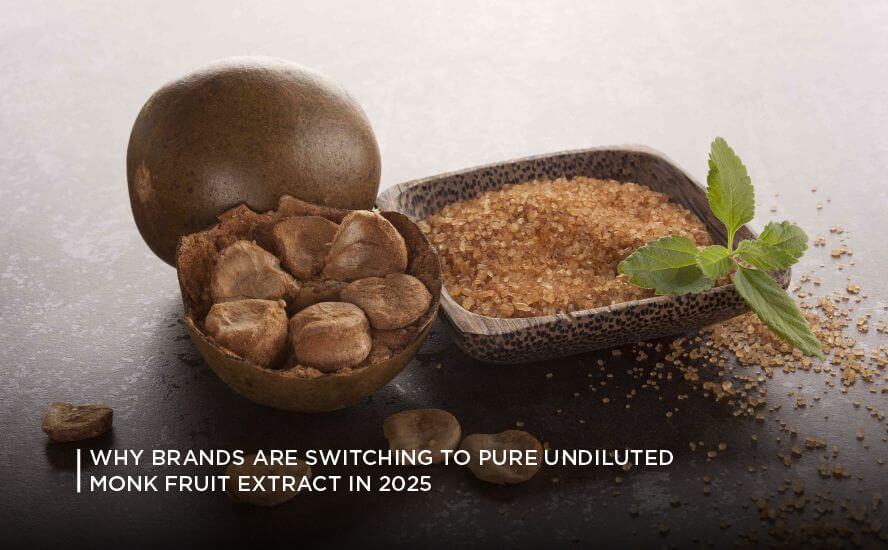
This shift has pushed brands toward pure undiluted monk fruit extract, a sweetener that solves more problems than it creates. As more companies reassess their formulas, reformulate their product lines, and strengthen their nutritional claims, monk fruit has moved from a niche ingredient to a mainstream choice.
Monk Nectar® has worked with hundreds of brands across snacks, beverages, health supplements, and specialty foods. The team sees a clear pattern: companies want a sweetener that keeps up with modern expectations. This article explains why pure monk fruit is taking center stage in 2025, how brands are using it, and what benefits it actually brings to the table.
The Market Push Toward Cleaner Sweeteners
Consumers Reject “Compromise Ingredients”
For years, food and beverage brands leaned on sweeteners that felt like compromises. Artificial options helped reduce calories, but customers didn’t trust them. Natural alternatives tasted unstable or required masking flavors to fix bitterness. None of these choices truly matched what shoppers wanted: sweetness that felt familiar, safe, and clean.
In 2025, this demand is stronger than ever. Brands notice that customers read labels carefully. Parents avoid ingredients they can’t pronounce. Fitness-driven shoppers cut unnecessary sugars. Diabetic consumers want sweet foods without metabolic impact. No one wants to feel guilty after eating.
Pure monk fruit hits these expectations. It offers sweetness without the health baggage. It supports low-carb, sugar-free, and keto-friendly products. It works well in both indulgent and functional foods. Because monk fruit extract is naturally concentrated, brands can cut fillers, reduce ingredient counts, and keep labels short.
Regulators Tighten Control Over Sugar Claims
Around the world, governments continue to introduce rules to discourage high sugar intake. Some countries tax sweetened beverages. Others make nutrition label formats stricter. This regulatory pressure forces companies to rethink their formulas.
Pure monk fruit helps brands stay compliant without sacrificing flavor. Since the extract contains no calories and comes from a natural fruit, it fits easily into reformulation strategies. Companies can update product lines and maintain strong claims without dramatic changes in taste.
What Makes Pure Undiluted Monk Fruit Extract Different
No Additives and No Fillers
Not all monk fruit is equal. Many products on the market dilute the extract with erythritol or maltodextrin. These blends look cheap, but brands end up paying for fillers instead of potency. They also lose the ability to make clean label claims.
Pure undiluted extract solves these problems. It offers high sweetness intensity, so manufacturers only need a tiny amount. It keeps ingredient lists clean, which supports trust and transparency. For a brand, this becomes a competitive advantage, especially when customers compare labels side by side.
Monk Nectar® works only with undiluted extract. This gives partner brands control over formula accuracy and consistency. With no carriers involved, testing, scaling, and batching become more predictable.
Sweeter Than Sugar Without the Aftertaste
Pure monk fruit includes mogrosides, especially Mogroside V, which create natural sweetness. This sweetness works differently from artificial options and doesn’t leave a metallic or bitter finish.
For brands, this is crucial. A good sweetener must feel familiar. When customers taste a sports drink, a protein bar, or a syrup, they want it to feel natural. With monk fruit, they get a clean sweetness that blends smoothly with other flavors.
This is why product developers use monk fruit for flavored water, gummies, spreads, nutrition powders, and ice creams. They get predictable sweetness without needing masking flavors or heavy additives.
Stable Under Heat and Processing
Many sweeteners break down during production. High heat, high pressure, and long storage times can affect flavor and sweetness intensity. Pure monk fruit performs well across a wide range of conditions, which makes it ideal for both large-scale manufacturing and small-batch production.
Whether a brand produces baked goods, energy drinks, vitamin blends, or condiments, the sweetness stays stable. This gives manufacturers freedom to expand product lines without worrying about performance issues.
Why Brands Prefer Pure Extract Over Blended Versions
Better Control During Formulation
When companies use blends, they rely on carrier ingredients that alter volume, density, and hydration. This complicates product development. Chefs and formulation teams spend extra time adjusting recipes, measuring sweetness ratios, or compensating for fillers.
Pure monk fruit extract solves these problems. A small, controlled amount creates predictable sweetness. Brands can adjust formulas with precision. Small recipe changes don’t require entire reformulation cycles.
This brings faster product development, fewer trial batches, and lower costs.
Cleaner Marketing Claims
Modern marketing revolves around honesty. Brands want to say:
- no hidden sugar
- no artificial sweetener
- no fillers
- clean label
- natural sweetening
They can’t make these claims confidently when a sweetener includes maltodextrin or sugar alcohols.
Pure monk fruit keeps labels honest and helps brands maintain their trust value.
Cost-Effective in the Long Run
Even though pure extract seems more expensive per kilogram compared to blends, brands often spend less over time. The reason is simple: pure extract is extremely concentrated. It takes only small amounts to sweeten large batches.
Reducing fillers means lower shipping costs, smaller storage needs, and simplified logistics. For companies that scale fast, these savings matter.
How Different Industries Use Pure Monk Fruit in 2025
1. Beverage Brands
The beverage industry has changed rapidly. Consumers want low-sugar drinks that taste good. Artificial sweeteners no longer satisfy the market.
Beverage companies use monk fruit to sweeten:
- flavored sparkling water
- hydration drinks
- iced teas
- electrolyte beverages
- functional tonics
Since monk fruit mixes well with natural flavors, brands get clean sweetness without extra additives.
2. Health and Wellness Products
Supplements, protein powders, and nutrition bars benefit greatly from pure extract. Many of these products target people who want high performance without sugar crashes.
Monk fruit supports:
- pre-workout formulas
- protein shakes
- vitamin powders
- recovery blends
- herbal mixes
Brands in this space appreciate monk fruit because it supports health-focused claims and avoids sugar alcohols that may cause digestive issues.
3. Keto, Sugar-Free, and Diabetic-Friendly Foods
Low-carb brands rely on sweeteners that don’t spike blood sugar. Monk fruit fits perfectly into these categories. It supports consistency across baked goods, sauces, spreads, and snacks without pushing the carbohydrate count upward.
4. Gourmet and Specialty Brands
High-end product creators want ingredients that bring quality and authenticity. Many specialty brands adopt monk fruit because it keeps products premium and avoids low-quality additives.
Examples include:
- artisanal chocolates
- premium jams
- natural syrups
- organic condiments
- chef-crafted dressings
For small-batch producers, the ability to use a clean sweetener makes their claim stronger.
5. Large-Scale FMCG Companies
The biggest shift is happening among large manufacturers. They see long-term advantages:
- stable global supply
- predictable sweetness
- easier compliance
- strong consumer trust
These companies want ingredients that help them modernize old product lines. Monk fruit gives them a simple way to update formulas without major disruptions.
Six Reasons Brands Are Making the Switch in 2025
1. The Clean Label Movement Is Stronger Than Ever
Shoppers favor brands that keep ingredients simple. Pure monk fruit helps companies build a label that feels trustworthy and easy to read.
2. Sugar Reduction Goals Are No Longer Optional
From small food startups to massive beverage producers, everyone faces pressure to bring down sugar levels. Monk fruit lets them reach those targets quickly.
3. The Taste Profile Matches What Consumers Expect
Good taste wins every time. Monk fruit offers sweetness that feels natural, comfortable, and balanced.
4. It Supports Healthy Living Trends
Keto, low-carb, diabetic-friendly, and fitness-driven consumers appreciate monk fruit because it doesn’t affect blood sugar.
5. Brands Want Ingredient Stability
Consistency matters in manufacturing. Monk fruit doesn’t break down easily, which keeps production smooth.
6. The ROI on Pure Extract Makes Sense
When companies calculate dosage, batch size, storage space, and long-term scaling, pure extract often becomes the smarter choice.
How Brands Can Make the Switch Smoothly
Start With Small-Batch Trials
Brands often begin with controlled testing to understand how monk fruit behaves in their formulas. Pure extract requires precise measurement because of its high sweetness level.
Review Label Claims Early
Since monk fruit supports clean labeling, companies should update packaging, marketing materials, and compliance documents as early as possible.
Pair Monk Fruit With Stable Natural Flavors
Many brands use natural fruit or botanical flavors with monk fruit to maintain familiar taste profiles.
Work With a Trusted Supplier
Monk Nectar® provides undiluted extract, testing support, and guidance during formulation. Reliable sourcing ensures consistency across production cycles.
Why 2025 Is a Turning Point
The global market is changing quickly. Customers expect healthier choices but refuse to compromise on taste. Companies face pressure from both consumers and regulators. This makes 2025 a year where many brands reassess ingredients and move toward cleaner sweetening solutions.
Pure monk fruit extract meets all these needs. It supports modern diets, enhances product quality, and keeps labels honest. Brands that adopt it early gain a competitive edge, especially as consumers grow more selective.
Monk Nectar® has seen a dramatic rise in requests from brands across categories. Companies want reliable supply, clean sweetening, and long-term value. Pure undiluted extract checks every box.
Conclusion:
Pure undiluted monk fruit extract is more than a trend. It is becoming a standard for brands that want to offer healthier sweetness without compromising taste or trust. As consumer expectations rise, companies need ingredients that support clean labels, strong nutritional claims, and consistent performance.
2025 is the right time for brands to make this switch. Monk Nectar® continues to help businesses adopt monk fruit smoothly, whether they are reformulating existing products or launching new ones.
Brands that want to stay ahead can reach out to Monk Nectar® for guidance, samples, or supply support. A cleaner, smarter, and more trusted product line starts with the right ingredient supplier.